Takayama festival autumn: dates, times, rain rule and costs
What the autumn festival is
The Hachiman Matsuri is the annual festival of Sakurayama Hachimangu Shrine3. According to Takayama City, it began over 300 years ago4 to give thanks for the harvest.
- Status: a nationally designated Important Intangible Folk Cultural Property, known as one of Japan’s three great float festivals4.
- Two festivals: Takayama has two well-known festivals5. The spring one (Sanno Matsuri) falls on April 14-151.
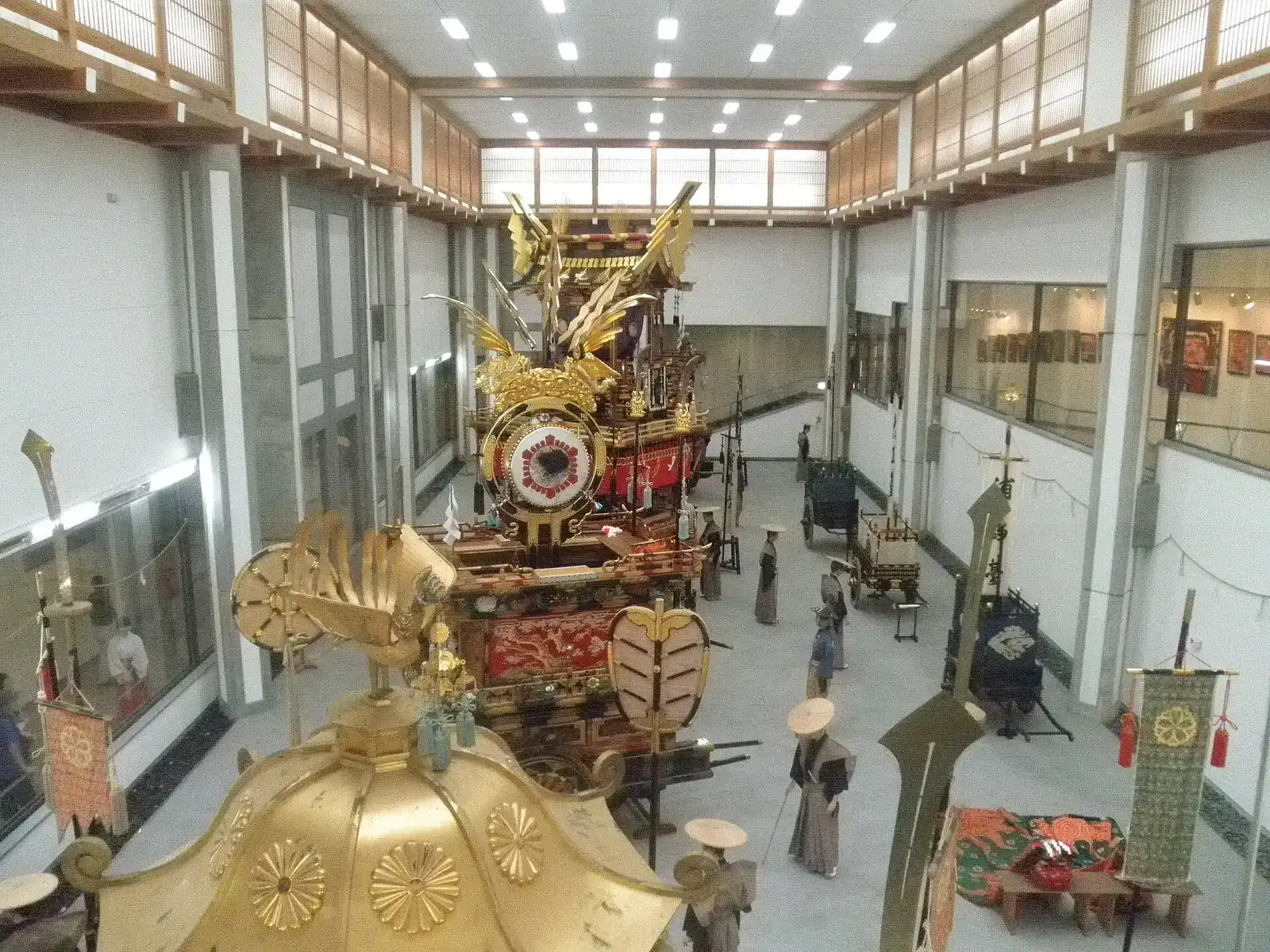
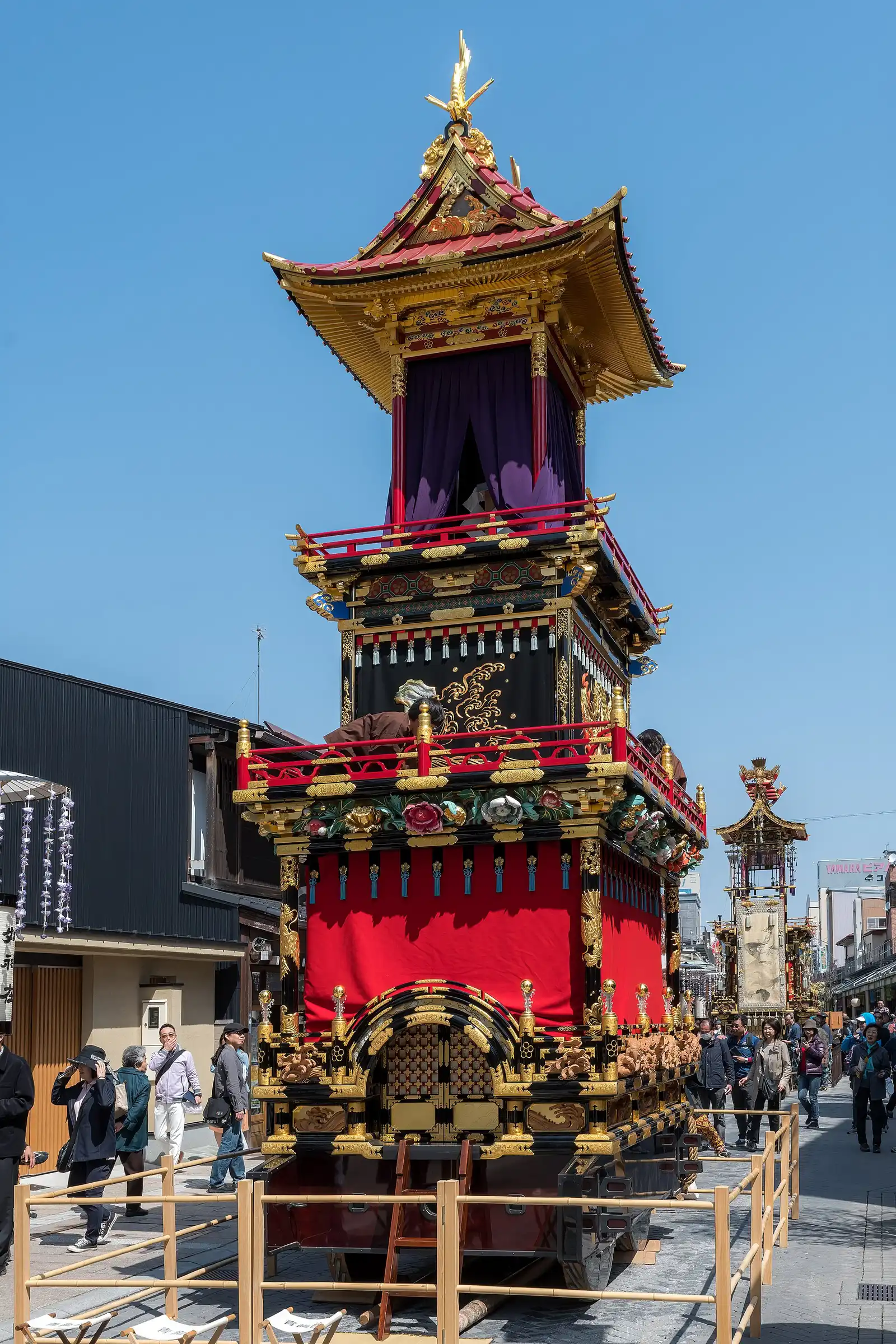
- Floats: the autumn parade has 11 floats1, though 10 of 113 are on public display because the Gyojintai float is being repaired.
The shrine has its own page: Sakurayama Hachimangu Shrine.
Is the autumn Takayama Festival worth it?
Yes, if your dates fit: the float parade on the afternoon of 9 October3 happens only at the autumn festival.
The evening adds the lantern-lit night festival, with about 100 lanterns lit on each float3. If you’re building a trip around the takayama matsuri, aim to be in the old town on the first day.
Pick your hours
Festival schedule, day by day
Night festival 18:00-21:306
These are the city’s times for the festival that opened on 9 October 20264. Check the official tourism site for other years.
| Event | First day | Second day |
|---|---|---|
| Float display | 9:00-17:006 |
9:00-16:006 |
| Karakuri puppets | 12:00-12:20, 14:00-14:206 |
11:00-11:20, 13:00-13:206 |
| Festival procession | 13:20-15:306 |
8:30-12:00, 13:30-16:006 |
| Float parade | 13:30-15:306 |
None listed |
| Night festival | 18:00-21:306 |
None listed |
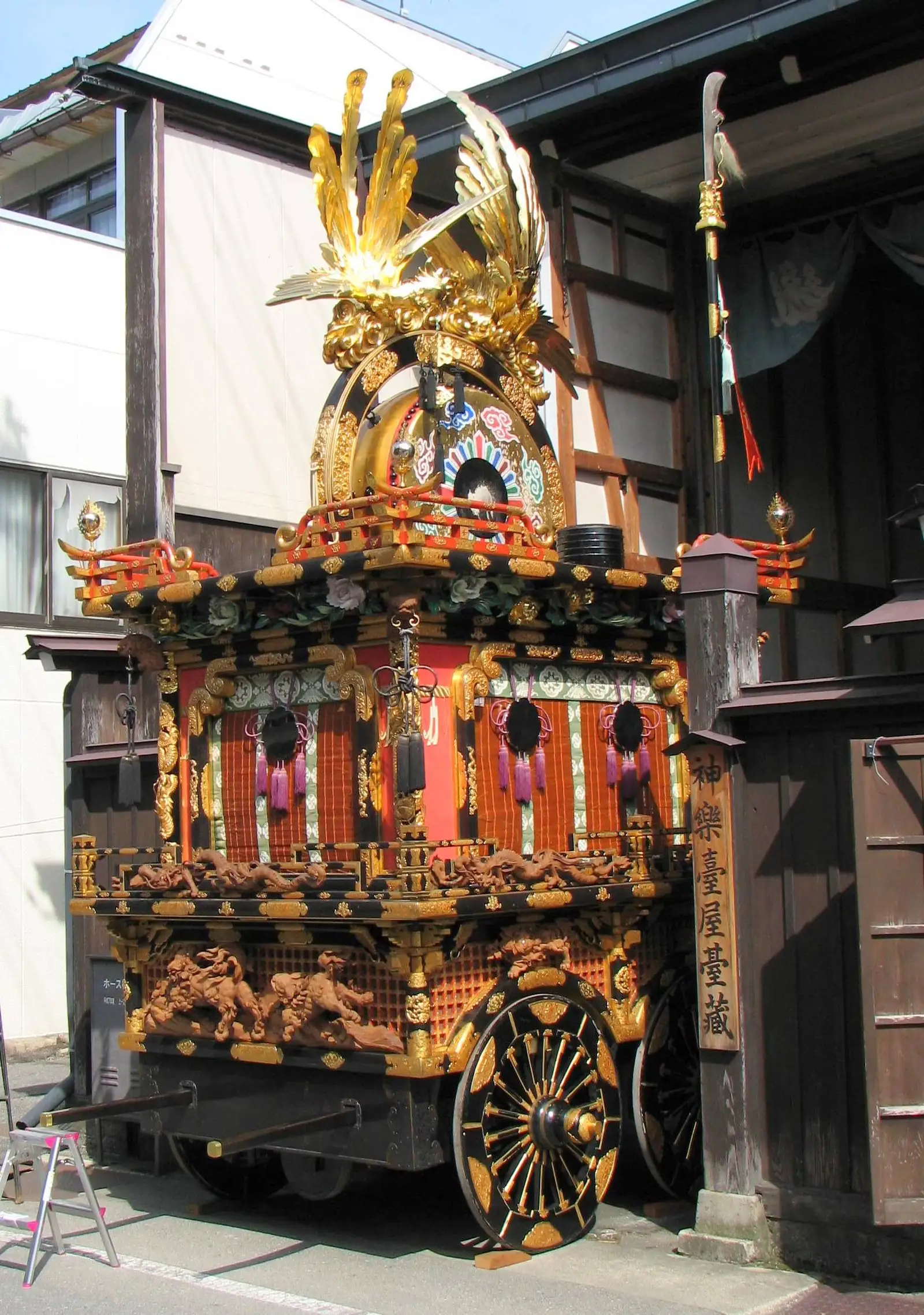
The puppet performances on the Hotei-tai float take place in the Sakurayama Hachimangu Shrine precinct3.
Free to watch
What it costs
Watching the festival costs nothing. The only entry fees are for the float hall, where the autumn floats are kept, and parking at the shrine.
Watching is free2
Festival and float hall costs
| Cost | Adult | Child |
|---|---|---|
| Watching the festival | Free | – |
| Float hall (Yatai Kaikan) | ¥1,000 | ¥500 |
| Shrine car park, per hour | ¥300 | – |
japan.travel (official); hidahachimangu.jp (operator)
Other float hall tickets: ¥600 (about US$4) for high-school students and ¥5009 (about US$3) for visitors with disabilities. The neighbouring Nikkokan is included in the admission price11.
On foot from the station
Getting there and who it suits
The old town is a 10-minute2 walk from JR Takayama Station or the Hida Bus Center next to it. The shrine and float hall are 20 minutes12 on foot from the station. The parade runs through Shimomachi, north of Yasugawa Street3.
Old town 10 minutes2
Coming from Nagoya, the journey takes about 2 hours 20 minutes5; see how to get to Takayama for the other routes.
- By car: the shrine car park has space for 50 ordinary cars and 5 buses, and buses must reserve9.
- What to wear: October averages 19.9 °C by day and 9.2 °C at night13, so bring a layer for the evening.
- With children: in 2024 the city handed out a quiz-style children’s handbook14 at tourist information centres during the festival.
Nearby, with their own pages
The shrine’s float hall is the place to see real floats outside the festival. Its operator calls it the only facility with real Takayama Festival floats on permanent display9.
- The float hall is open 9:00-17:009 from March to November, with 4 floats12 on show at a time. Details are on the page for the float hall.
- Sanmachi old town lanes are close by, and the Miyagawa market stalls are a short walk15 from Sanmachi.
- The Jinya-mae Market2 is also nearby.
Want a guide? The early morning walking tour and market visit includes Sakurayama Hachiman Shrine.
Beyond the festival
For more to do in Takayama, start with things to do in Takayama.
- Stop at Hirayu Onsen on the road to Kamikochi, the western gateway to Kamikochi5.
- Hot-spring villages further up the valley are covered under Okuhida, Japan.
- Visiting in winter instead? Read the guide to ski area hours and fees.
Questions people ask
What to do in Takayama in autumn?
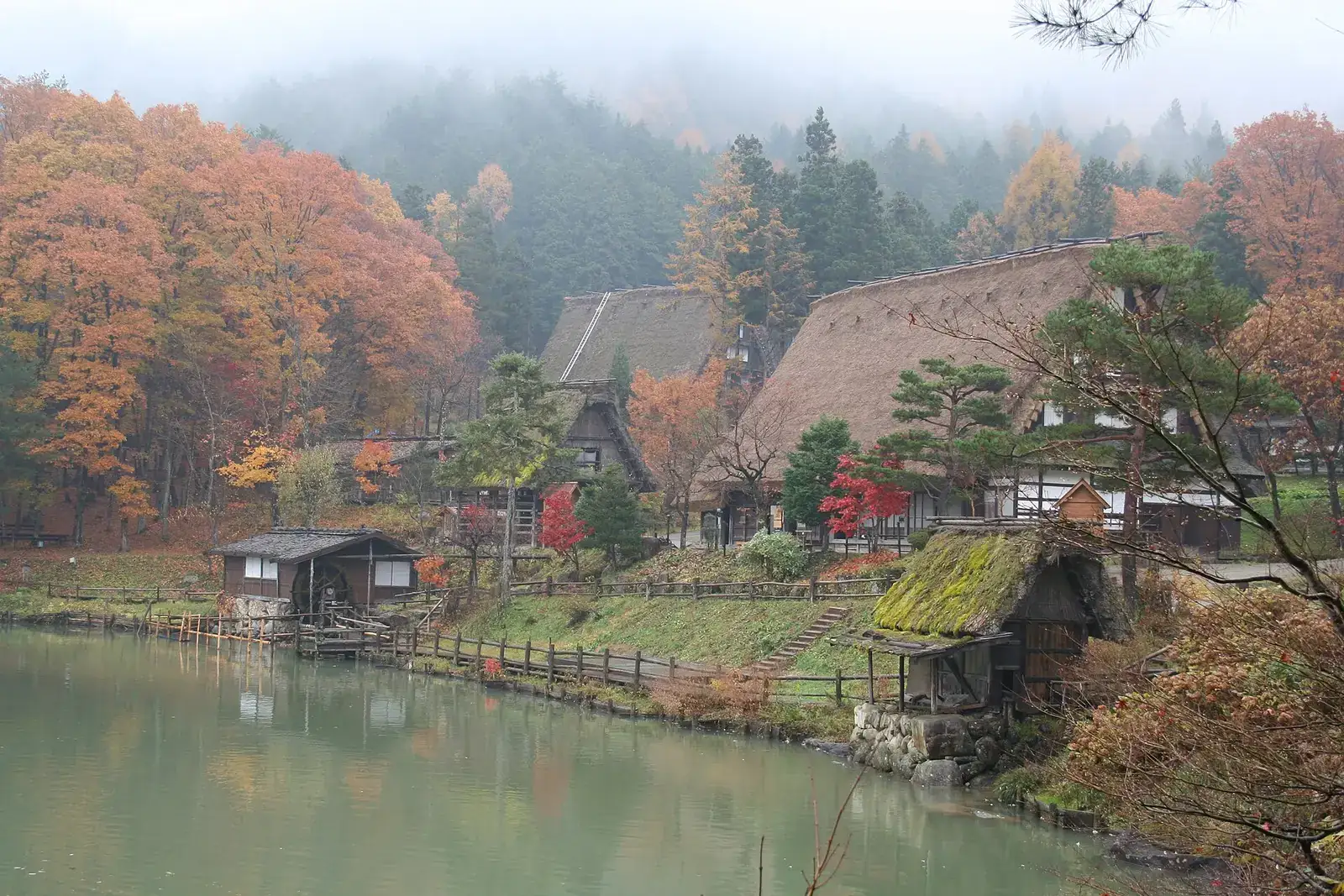
Colourful maple foliage can be seen in the Takayama area in autumn. Shirakawa-go's best leaves come from late October to early November.
Photos: Wikimedia Commons. Authors and licences: image credits
Checked against 17 sources · last checked October 2026
- hida.jp (official) · checked October 2026
- japan.travel (official) · checked October 2026
- hida.jp (official) · checked October 2026
- Kumanichi (news) · checked October 2026
- Travel Japan (japan.travel) (official) · checked October 2026
- PR TIMES (official) · checked October 2026
- japan.travel (official) · checked October 2026
- hida.jp (official) · checked October 2026
- hidahachimangu.jp (operator) · checked October 2026
- European Central Bank (official) · checked October 2026
- japan-guide.com (travel guide) · checked October 2026
- hida.jp (official) · checked October 2026
- data.jma.go.jp (official) · checked October 2026
- PR TIMES (official) · checked October 2026
- japan.travel (official) · checked October 2026
- Wikipedia · checked October 2026
- Shirakawa-go Tourist Association (official) · checked October 2026
Page history · last changed 24 October 2026
- First written